From the first school bell onwards, someone else has told most of us where to be and when. Train timetables, quarterly business strategies, work rosters. We've gotten very good at being organised.
The few people who did the organising mostly sat at the top of big organisations, with ops teams and assistants and advisers behind them. Everyone else carried their own organisation around in their head, on top of everything else. We were the moving parts again.
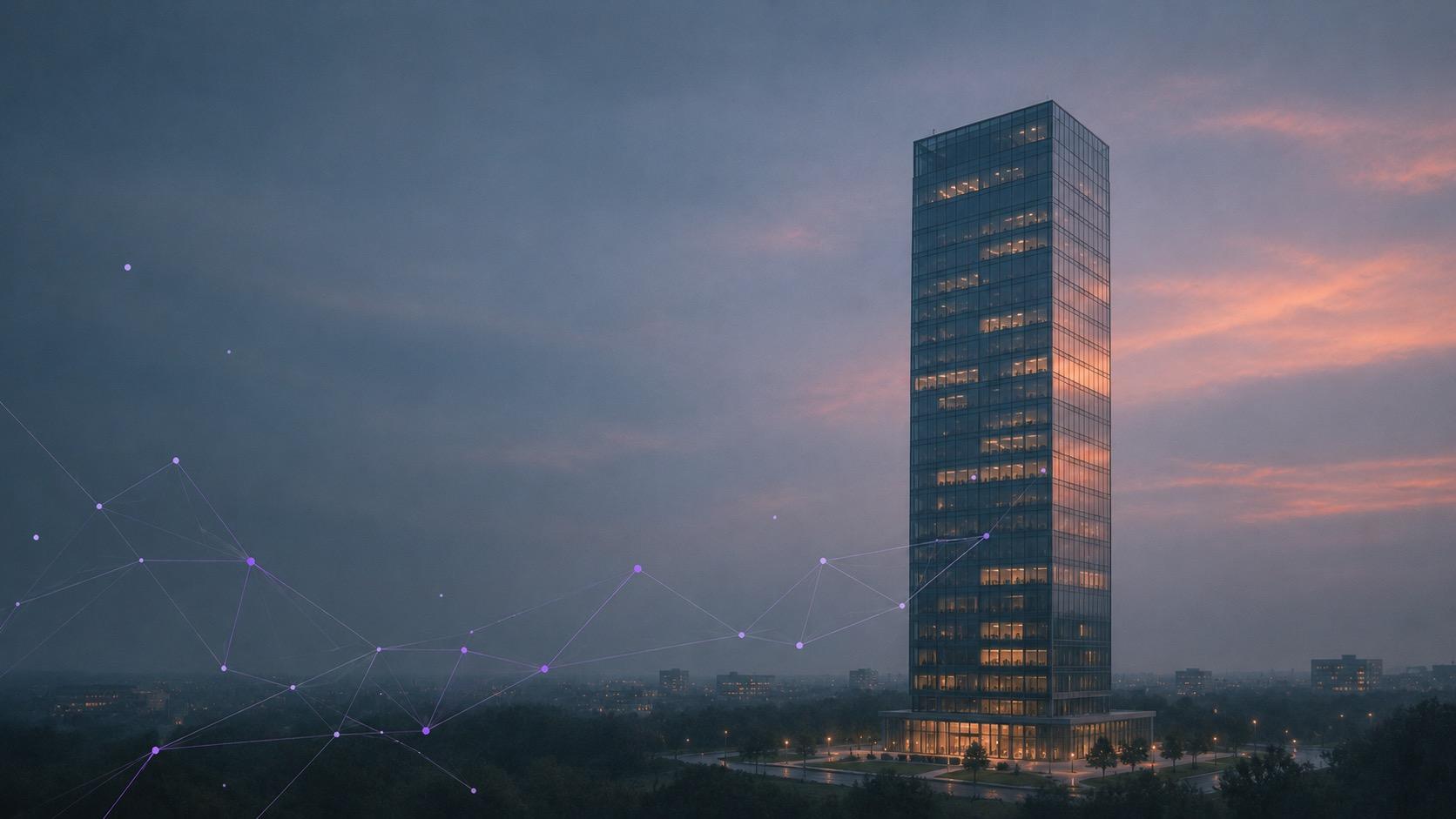
The fifty floor building
A fifty floor building works only for you. Step out on any floor and ask, "What do you do here?" Procurement is always hunting the best deal on everything you buy. Finance watches every account, renewal and bill. Health has a floor, and so does learning. So does keeping track of the people you care about. Every floor does a different job, and on every floor the answer ends the same way. "I work for you."
Each floor is a holon, and it's made of smaller ones.
I think the children of the very wealthy have always had something like this building. What they learn isn't how to do the work. They learn how to direct it. Delegate to their entourage of specialists.
Directing can be learned
Directing isn't managing every step. It starts with a vision of where you want your life or business to go, and nobody else can make that for you. Then it comes down to four things:
- Choosing what you want to achieve and over what period
- Setting your limits, which means what you won't spend, won't risk and won't do
- Reading the results and;
- Deciding what happens when something turns orange or red.
Reading the results is easier than it sounds, because you can see the reasons behind them. Trust works differently when you can see why something was decided as well as what was decided.
That's the whole job. Everything else can sit with the floors below.
It'll feel unfamiliar at first, because we've been trained to be the ones who do. Most upholders get a massive dopamine hit from the doing. So the first few times you hand something over and it just gets done, you feel a little, well, incomplete. Then you start asking a better question. What do I actually want next?
Everyone gets a building
What I find most moving is who gets to sit at the top. A nurse, a tradie, a student, a parent running a household from the kitchen table. Each with their own floors, their own goals and their own specialists working for them.
And it's yours. The more you discover about what works for you or your business, the better your floors get, and that knowledge is some of the most valuable data there is. It should stay with you. It should never be handed over to train anyone else's system.
LifeOS is being built for exactly this, an organisation for one person with them on top. BusinessOS gives a business the same shape. When people and businesses run on a shared structure, markets form around it. You can broadcast what you're after anonymously if you want, and the best specialists and businesses respond. I think that means businesses will meet customers whose own organisations are working for them around the clock, and that far more products and opportunities will appear for everyone.
The structure is shared. Your details stay yours.
What we get to find out
How young people from ANY background learn to direct when it's simply part of growing up. I think schools will teach it within a generation, the way they once added typing.
Why now
Every floor needs specialists who are great at one thing. If that's you, how you do your job can be set up as one of them, and other people can bring it into their own building. The people who learn to direct first, and the people who describe their craft well, will help set how it works for everyone else.
Join the Innovators Circle on any page of the Decidr site.